When choosing kayak float bags, prioritize reliable buoyancy, compatibility with your boat, and easy inflation and deflation. This guide highlights five top options ideal for different paddlers, from recreational whitewater enthusiasts to expedition-minded kayakers. Each product is evaluated for fit, durability, and practical use on rapids, lakes, and rivers. The right float bags help you stay afloat, protect your hull, and manage air quickly in a pinch. Below, you’ll find a quick buying table and detailed sections to help you pick the best fit for your kayak and adventure style.
| Product | ||
|---|---|---|
| Harmony Gear Micro Flotation Set | Athletes with 8–10 ft kayaks | Four bags with a high-capacity dump valve for fast air adjustments |
| NRS Kayak Stern Float Bags-Stern-Pair | Boats with center support pillars | Durable urethane, flexible sizing, variety of purchase options |
| Harmony Vinyl Mini Kayak Floatation Bag with Bow | Compact bow flotation needs | Isolated air cell design limits tears to the anchor area |
| NRS Kayak Stern Float Bags-Bow/Stern Set | Balanced bow and stern buoyancy | Urethane stability and versatile purchase options |
| Oru Kayak Float Bags for Lake Kayak | Oru kayak owners seeking extra safety | Completely waterproof and durable for long-term use |
Harmony Gear Micro Flotation Set

The Harmony Gear Micro Flotation Set includes two bow and two stern bags designed for universal fit on 8–10 foot kayaks. The set features a twist valve with a high-capacity dump, enabling quick air adjustments when conditions change or during self-rescue drills. A 3D vertical end seam helps the bags conform to the hull’s curvature for a snug, stable fill. This makes the set a strong choice for smaller kayaks that require precise buoyancy distribution. Best for paddlers who value rapid air control in tight cockpit layouts.
Who this is best for: paddlers with compact kayaks needing reliable bow and stern buoyancy in one complete set. Why selected: balanced four-bag solution simplifies setup and reduces the chance of under- or over-inflation. Caution: ensure centers walls or bulkheads won’t interfere with bag fit on your specific hull; some center features may require manual adjustment during inflation.
NRS Kayak Stern Float Bags-Stern-Pair
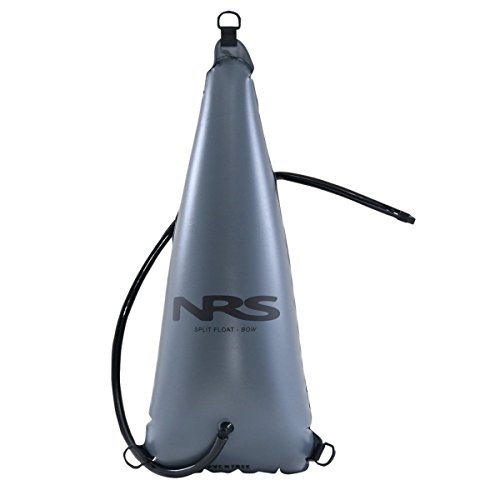
These stern float bags are sold as singles, pairs, or a set of four, and are designed to fit boats with center support pillars. Made from 10-gauge urethane, they resist leaks and delamination. The stern-focused design supports buoyancy in challenging whitewater while maintaining hull clearance. Choose this option if your kayak features center pillars and you want reliable stern buoyancy without overt bulk.
Best for: boats with center supports needing stern buoyancy. Why: durable urethane and flexible purchasing options provide security in rough water. Caution: consider pairing with compatible bow bags from the same line to ensure balanced buoyancy across the craft.
Harmony Vinyl Mini Kayak Floatation Bag with Bow

This bow-focused flotation option comes as a single bag, with two bags needed for proper flotation on most kayaks. The design isolates tie-ins from the air cell, limiting tears to the anchor area in case of accidental punctures. A twist valve on the inflation hose ensures a positive seal for dependable buoyancy. Best for minimalistic setups where bow-only buoyancy is preferred or when adding redundancy in a compact pack.
Best for: bow-only buoyancy additions or limited storage boats. Why: isolates air cell tears to protect essential flotation. Caution: you’ll typically need two bags to achieve recommended flotation, so plan space accordingly.
NRS Kayak Stern Float Bags-Bow/Stern Set

This bow and stern set from NRS is sold as singles, pairs, or a full set of four. It’s designed to fit boats with center support pillars and uses 10-gauge urethane to resist leaks or delamination. This option is ideal for kayaks requiring balanced buoyancy at both ends while maintaining hull integrity under pressure. Choose this if you want a straightforward, reliable balance of bow and stern buoyancy.
Best for: balanced end buoyancy on center-pillar boats. Why: versatile purchasing options and sturdy material deliver dependable performance. Caution: ensure your boat’s interior supports won’t interfere with bag placement or volume in the stern or bow areas.
Oru Kayak Float Bags for Lake Kayak

Oru Kayak Float Bags are designed for lake use and provide essential buoyancy to prevent sinking in capsizes. The bags are described as completely waterproof and durable, crafted from high-quality nylon to withstand repeated use. They are a solid choice for Oru kayak owners who want to preserve flotation and protect interiors from water intrusion. Best for: Oru boats seeking reliable buoyancy with robust waterproofing.
Limitation: while highly durable, compatibility with non-Oru hulls is not guaranteed, so check fit with your specific model before purchasing. Also consider the number of bags required to achieve full flotation for your craft.
Harmony Vinyl Micro Kayak Floatation Bag with Bow
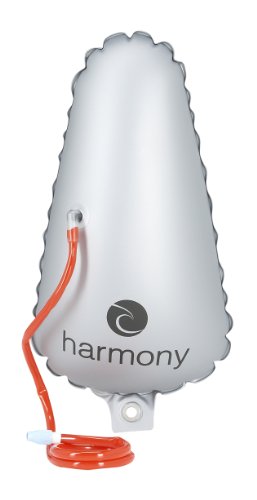
Harmony’s Vinyl Micro Bow flotation bag is a compact bow-only option for smaller projects. The package notes basic specifications, including package height and length, which can help with storage planning. This bag is best for paddlers who want a lightweight, space-efficient buoyant option to complement a bow-only setup.
Best for: compact or light setups needing bow buoyancy without bulk. Why: compact size helps with limited storage. Caution: may require an additional bow or stern bag for full flotation on many kayaks.
Buying Guide: How To Choose Whitewater Kayak Float Bags
- Boat compatibility: Check your hull shape, center walls, and any pillars. Some bags are designed for specific hulls or pillar configurations.
- Bag material and durability: Urethane and puncture-resistant fabrics reduce leaks and delamination. Consider the expected paddling environment (whitewater vs. lake).
- Inflation system: Twisting valves and air dumps enable quick adjustments. Ensure the valve is compatible with your pump or inflation method.
- Buoyancy distribution: Decide if you need bow-only, stern-only, or balanced bow/stern buoyancy. A set with both ends offers more flexibility in rough water.
- Number of bags: Some boats require two bags for proper flotation, while others work with a full set of four. Plan storage and weight distribution accordingly.
- Repair and tear resistance: Isolated air cells help limit damage to the rest of the bag if punctured. This can be a meaningful durability feature in rough water.
- Storage and maintenance: Look for bags that dry quickly and store compactly for backpack trips or carry-on storage.
Frequently Asked Questions
- What is the primary purpose of kayak float bags?
They provide buoyancy, protect hulls from taking on water, and aid in self-rescue during capsize or immersion events. - How many float bags should I buy?
Most boats benefit from at least a bow and stern bag, with some setups needing four bags for full buoyancy in both ends. - Are all float bags compatible with any kayak?
No. Bag fit depends on hull shape, center walls, and pillars. Check product specs for compatibility. - What maintenance is required for float bags?
Inspect for leaks, ensure valves seal properly, dry thoroughly after use, and store in a cool, dry place to extend life. - Can float bags be used on whitewater and lake paddling alike?
Yes, but consider durability and fit for mission-specific conditions; whitewater requires tighter fits and tougher seams. - Do float bags affect maneuverability?
Added buoyancy can influence how a kayak sits in the water; ensure proper inflation to avoid excessive drag or instability.