Swimming in cold water requires the right wetsuit to maintain body warmth, protect against harsh elements, and ensure comfort. Choosing the best wetsuit involves considering thickness, flexibility, insulation, and fit. Below is a summary table featuring five highly-rated wetsuits suitable for cold water swimming and other aquatic sports.
| Product | Brand | Thickness | Key Features | Ideal Activities |
|---|---|---|---|---|
| Hevto Men Wetsuit 3/2mm Neoprene Front Zip Full Suit (M2-Black, LS) | Hevto | 3/2mm | Insulating neoprene, easy tank zipper pull, multi-sport use | Surfing, swimming, diving, snorkeling, SUP, kayaking |
| XUKER Women 2mm Long Sleeve Full Body Back Zip | XUKER | 2mm | Skin protection, thermal isolation, traditional back zipper | Diving, surfing, snorkeling, kayaking, swimming |
| Skyone Full Body 3mm Neoprene Diving Suit | Skyone | 3mm | Close fit, UV protection, full thermal insulation | Surfing, snorkeling, kayaking, swimming, canoeing |
| Dark Lightning Women Full Body 3/2mm Wetsuit | Dark Lightning | 3/2mm | Tight fit, ultra-stretch neoprene, flatlock stitching | Swimming, diving, surfing, snorkeling, kayaking |
| Hevto Men 3/2mm Neoprene Front Zip Full Suit (M3-Gray, M) | Hevto | 3/2mm | Strong front zipper, thermal protection, flexible design | Swimming, surfing, diving, snorkeling, paddleboarding |
Hevto Men Wetsuit 3/2mm Neoprene Full Suit For Cold Water

Hevto’s men’s wetsuit offers a 3/2mm neoprene construction balancing insulation in the core (3mm) with flexibility in limbs (2mm). Its front zipper with an upgraded tank zipper puller makes entry and exit efficient, saving time during water sports. This wetsuit protects against wind, sunburn, and abrasions, making it versatile for surfing, swimming, kayaking, and snorkeling. The neoprene material offers added buoyancy, aiding in performance and comfort during extended cold water use.
XUKER Women 2mm Neoprene Long Sleeve Full Body Wet Suit
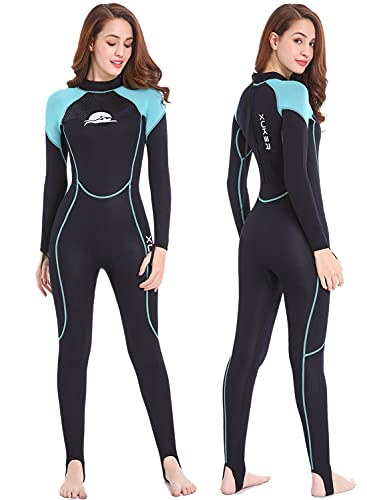
The XUKER wetsuit uses 2mm neoprene designed for moderate cold water temperatures. Its back vertical zipper allows easy donning and doffing without assistance. The wetsuit forms a thermal isolation layer by trapping a thin layer of water warmed by the body, maintaining heat. It protects skin from stings, sun damage, and abrasions. This wetsuit suits scuba diving, surfing, snorkeling, kayaking, and swimming with protection and sufficient warmth.
Skyone Full Body 3mm Neoprene Diving Suit For Cold Water
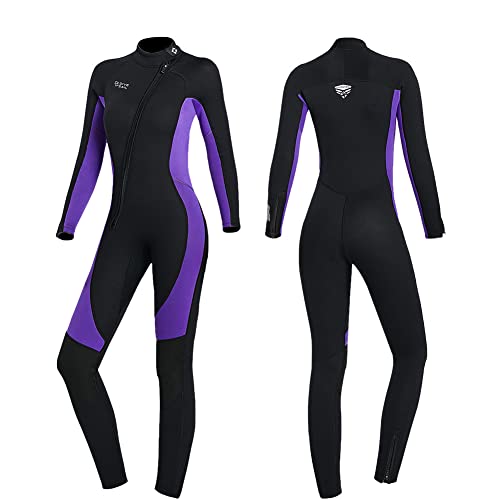
The Skyone wetsuit provides a close, tight fit designed to maximize thermal insulation with 3mm premium neoprene. Its form-fitting nature minimizes drag and enhances underwater performance. It has long sleeves and full body coverage, offering UV protection and defense against jellyfish or sea lice stings. The wetsuit’s careful stitching prevents skin friction, enhancing comfort for cold water swimming, surfing, kayaking, and other water activities.
Dark Lightning Women 3/2mm Full Body Cold Water Wetsuit

The Dark Lightning wetsuit uses a 3mm neoprene torso and 2mm sleeves and legs, suitable for water temperatures above 59°F. Its flatlock stitching reduces water entry while maintaining durability. The ultra-stretch neoprene provides a snug fit that supports movement with minimal restriction. This wetsuit offers effective thermal protection for swimmers, scuba divers, surfers, and kayakers engaging in cold water sports.
Hevto Men 3/2mm Neoprene Front Zip Full Suit For Water Sports

This Hevto wetsuit combines a 3mm neoprene torso for warmth with 2mm neoprene limbs for flexibility. It features a durable metal front zipper with rust-resistant qualities and a smooth design to prevent irritation, ensuring ease of wear. The double-sided nylon fabric and elastic flatlock stitching provide comfort and unrestricted movement, making it ideal for cold water swimming, paddleboarding, diving, and surfing.
Buying Guide For Choosing Cold Water Swimming Wetsuits
Neoprene Thickness And Insulation
Wetsuit thickness, usually measured in millimeters, directly affects warmth. 3/2mm wetsuits are common for cold water, with thicker neoprene on the torso for insulation and thinner neoprene on arms and legs for flexibility. For colder conditions, 4/3mm or thicker may be necessary. Thicker wetsuits provide better thermal protection but can reduce mobility.
Fit And Flexibility
A snug fit without restricting movement is crucial. The wetsuit should fit tightly when dry but allow comfortable movement once wet. Look for neoprene with stretch qualities and features like ergonomic cuts or flatlock stitching that reduce chafing and enhance flexibility, providing freedom for swimming, diving, or surfing.
Zipper Placement And Ease Of Use
Zippers affect entry ease and comfort. Front zip wetsuits typically allow for easier donning and quick removal, while back zippers tend to provide better seal but can be harder to manage solo. Some wetsuits feature upgraded zipper pullers or rust-resistant materials to improve durability and convenience.
Thermal Protection And Water Resistance
Seams that are glued, sealed, or blind-stitched significantly reduce water entry, preserving body heat. Quality neoprene design traps a layer of warmed water, creating insulation. Extra padding on vulnerable areas (like knees) and high-quality stitching increase durability and thermal retention.
Sun Protection And Additional Features
Full-body wetsuits cover and protect skin from UV rays, jellyfish stings, abrasions, and wind exposure. Some come with added features such as buoyancy support, abrasion resistance, or UV-blocking fabrics, enhancing safety and comfort during prolonged cold water activities.
Activity Specific Considerations
Choose a wetsuit based on your primary water sport. For surfing or paddleboarding, flexibility and quick drying are important. Scuba divers may prioritize maximum thermal insulation and waterproof seams, while swimmers might focus on hydrodynamic fit and streamlined design to reduce drag.