Finding the warmest wetsuit for surfing is essential for staying comfortable and extending your time in the water, especially in colder conditions. This guide highlights top-rated wetsuits that combine thermal insulation, flexibility, and durability. Below is a summary table showcasing the selected products, their thickness, and their ideal use cases.
| Product Name | Brand | Neoprene Thickness | Best For |
|---|---|---|---|
| O’Neill Men’s Reactor-2 3/2mm Wetsuit | O’Neill Wetsuits | 3/2mm | Entry-level surfing and paddle sports |
| Surf Squared Men’s 3mm Wetsuit Top Jacket | Surf Squared | 3mm | Surfing, snorkeling, all water sports requiring warmth |
| O’Neill Men’s Epic 4/3mm Wetsuit | O’Neill Wetsuits | 4/3mm | Colder waters, extended surf sessions |
| Hevto Men’s 3/2mm Neoprene Full Wetsuit | Hevto | 3/2mm | Versatile water sports in moderate cold |
| ZCCO 3/2mm Neoprene Full Body Wetsuit | ZCCO | 3/2mm | Diving, surfing, snorkeling, and kayaking in cool water |
O’Neill Men’s Reactor-2 3/2mm Back Zip Full Wetsuit

This entry-level wetsuit is designed with a 3/2mm thickness made from premium ultra stretch neoprene. It provides superior flexibility and comfort for surfers of all levels. The back zip system includes a water-resistant closure for easy entry and exit while minimizing water entry to keep you warmer. Its construction is also suitable for diving, paddle sports, and lake activities, making it a versatile choice.
Surf Squared Men’s 3mm Neoprene Wetsuit Top Jacket

The 3mm neoprene wetsuit top is designed to trap heat effectively and create a thermal barrier that blocks cold and wind. With its front zipper and zipper locking mechanism, it provides easy entry and secure closure. The nylon exterior combined with neoprene offers a feeling like a heated wetsuit suitable for surfing, snorkeling, and paddleboarding, especially when layered with other wetsuit pieces for additional warmth.
O’Neill Men’s Epic 4/3mm Back Zip Full Wetsuit
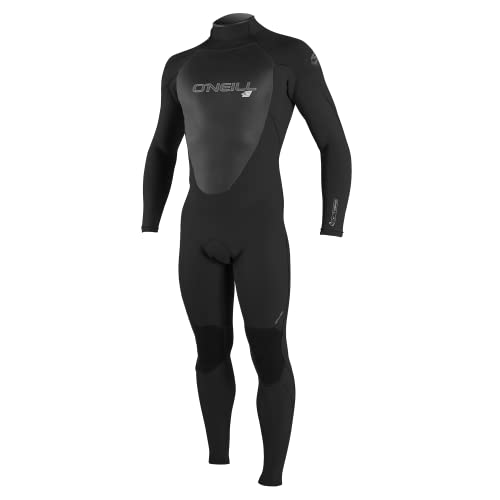
Featuring a thicker 4/3mm neoprene design, this wetsuit from O’Neill offers enhanced warmth suitable for colder surf conditions. The back zip design ensures a water-tight seal while providing easy access. Built with ultra stretch neoprene for superior flexibility and comfort, this suit supports extended sessions in cooler waters while maintaining performance for surfers and divers alike.
Hevto Men 3/2mm Neoprene Front Zip Full Wetsuit

This 3/2mm neoprene wetsuit is designed for water activities in cold temperatures, providing both insulation and buoyancy to improve swimming efficiency. Its upgraded front zipper and puller allow quick on and off, enhancing convenience. The suit offers protection from wind, sunburn, and scratches, making it suitable for surfing, diving, snorkeling, kayaking, and more.
ZCCO 3/2mm Neoprene Full Body Wet Suit
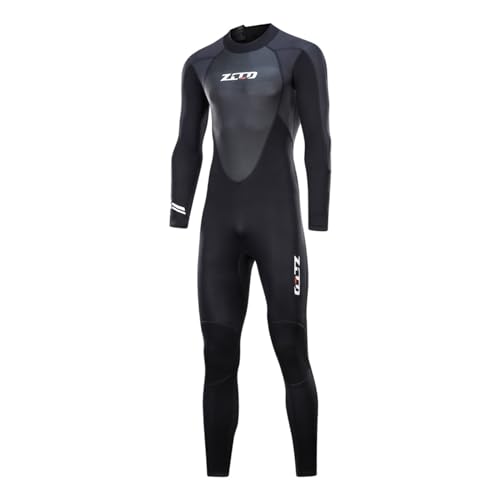
The ZCCO wetsuit offers 3mm thick neoprene insulation combined with nylon for excellent thermal retention and flexibility. Complete full-body coverage guards against UV rays, abrasions, jellyfish stings, and sea lice. Its smooth back zipper with an extended pull cord facilitates easy dressing, and flatlock seams provide a comfortable fit suitable for both men and women in wind-chill and cool water conditions ranging from 15°C to 25°C.
Buying Guide: Choosing the Warmest Wetsuit for Surfing
Selecting the best wetsuit for warmth requires consideration of several factors beyond just thickness. Understanding these features will help you get the maximum comfort and performance from your wetsuit.
Neoprene Thickness and Warmth
Neoprene thickness primarily determines the insulation level. Wetsuits between 3/2mm and 4/3mm are optimal for most chilly water temperatures, where thicker neoprene offers better heat retention but may slightly reduce flexibility. For colder waters, consider at least 4/3mm or greater.
Seam Construction and Water Tightness
Seam types affect warmth and durability. Sealed or glued seams minimize water entry and improve insulation. Flatlock seams allow more water in but are more flexible, suitable for warmer waters. Most warm wetsuits feature sealed seams or a backzip system designed for water tight seals to reduce cold flush.
Entry System: Back Zip vs. Front Zip
Back zip wetsuits like those from O’Neill offer easy entry and better water sealing, reducing cold water flushing inside the suit. Front zip suits tend to be easier to put on but may allow more water in. Consider a zipper with a locking mechanism for enhanced warmth retention.
Fit and Flexibility
A snug but comfortable fit is critical to preventing cold water circulation between your skin and wetsuit. Ultra stretch neoprene materials improve mobility for paddling and surfing performance without sacrificing thermal protection.
Additional Features for Warmth
- Thermal linings can enhance insulation without bulk.
- Sealed wrist and ankle cuffs help lock out cold water.
- Accessories like neoprene booties, gloves, and hoods provide extra protection against cold.
Intended Use and Water Temperature
Choose a wetsuit thickness and style based on water temperatures you frequently surf in and your tolerance to cold. For milder conditions, a 3/2mm suit is often sufficient, while colder climates require thicker wetsuits and additional thermal gear.