Choosing the right wetsuit for warm water is essential to balance insulation and flexibility. Below is a summary table highlighting top wetsuits and accessories ideal for warm water activities, focusing on neoprene thickness, fit, and special features for comfort and protection.
| Product | Neoprene Thickness | Best For | Key Feature |
|---|---|---|---|
| Mares Men’s M-Flex 1 mm Full Body Wetsuit | 1 mm | Warm Water Scuba Diving | Ultra-stretch neoprene with adaptable fit |
| XUKER Neoprene Five Finger Water Gloves | 3 mm & 5 mm | Hand Protection in Water Sports | Anti-slip rubber palms and thermal insulation |
| Hevto 3/2mm Neoprene Front Zip Full Wetsuit | 3/2 mm | Surfing, Swimming, Snorkeling | Wind protection with easy zipper puller |
| GoldFin Women’s 2mm Wetsuit Pants | 2 mm | Diving, Kayaking, Swimming | Breathable, elastic neoprene with compression fit |
| REALON 3mm Smoothskin Triathlon Full Wetsuit | 3 mm | Cold & Warm Water Sports | High buoyancy and thermal liner |
Mares Men’s M-Flex 1mm Full Body Scuba Wetsuit

The Mares Men’s M-Flex 1 mm wetsuit features high-quality ultra-stretch neoprene that offers exceptional flexibility and comfort, ideal for warm water scuba diving. Its adaptable fit caters to various body types, minimizing gaps, which boosts water performance and flexibility. This full-body wetsuit balances warmth and movement freedom perfectly for diving in tropical and warm locations.
XUKER Neoprene Five Finger Water Gloves for Warm Sports
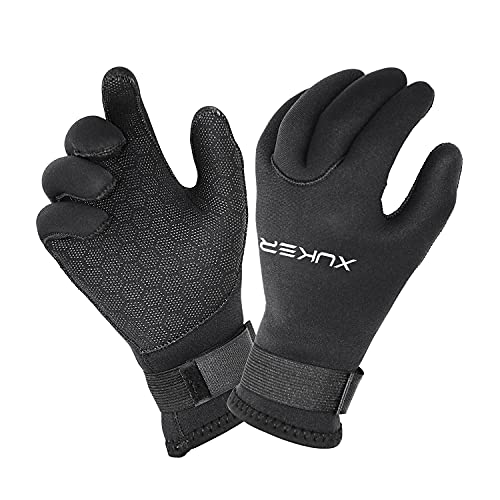
The XUKER Water Gloves come in 3mm and 5mm thickness options for hand protection and warmth during water activities. They are constructed with glued blind-stitched neoprene for durability and flexibility. Rubber-printed palms provide an excellent grip, making them suitable for scuba diving, snorkeling, surfing, and kayaking. Their thermal neoprene material helps keep hands warm without restricting movement.
Hevto Men’s 3/2mm Front Zip Full Wetsuit

This Hevto 3/2mm wetsuit is designed for warmth and comfort in cooler yet still mild water temperatures. Its neoprene thickness provides insulation while maintaining flexibility for activities like surfing, snorkeling, and paddleboarding. The front zipper with an upgraded puller allows for easy donning and removal, and the wetsuit offers wind resistance and skin protection from sunburn and scratches.
GoldFin Women’s 2mm Neoprene Wetsuit Pants
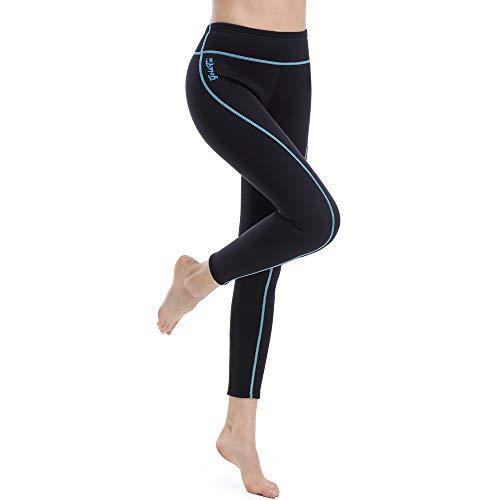
These GoldFin women’s wetsuit pants crafted from 90% neoprene and 10% nylon offer a comfortable, breathable, and elastic fit. With a 2mm thickness combined with a three-layer fabric design, they provide flexibility and warmth for water sports such as diving, kayaking, and surfing. Their compression fit enhances performance and comfort during prolonged water exposure.
REALON 3mm Smoothskin Triathlon Neoprene Full Wetsuit

The REALON 3mm triathlon wetsuit provides maximum buoyancy and thermal insulation for cold to moderate water conditions. It features a back zipper for easy wear, a thermal liner, and a superseal neck seal to retain warmth. This wetsuit fits well for snorkeling, swimming, surfing, and scuba, offering heat retention without sacrificing flexibility or ease of movement.
Buying Guide for Warm Water Wetsuits
Neoprene Thickness
Warm water wetsuits generally use neoprene between 1mm to 3mm thick. A thinner 1mm suit is ideal for tropical waters needing minimal insulation but excellent flexibility. For slightly cooler warm waters, 2-3mm thickness offers the right balance of warmth and protection.
Fit and Flexibility
An adaptable, snug fit is essential to prevent water flushing inside the suit, which can cause heat loss. Look for suits made from ultra-stretch neoprene or materials designed to move effortlessly with the body. Gender-specific or unisex designs with varied sizing help accommodate different body shapes.
Type of Coverage
Full-body wetsuits provide maximum protection but can be warmer, while wetsuit pants or jackets offer versatile warmth solutions in warm waters. For hands, gloves made of neoprene can protect against cold and abrasions during certain activities.
Entry and Closure Design
Zipper placement impacts comfort and ease of use. Front zippers are generally easier to manage, while back zippers offer a cleaner fit. Some wetsuits feature upgraded zipper pullers for hassle-free donning and doffing.
Additional Features
- Sun Protection: Many wetsuits offer UV protection to prevent sunburn during long sessions.
- Skin Protection: Protection from jellyfish, sea lice, and abrasions adds value.
- Buoyancy: Some suits provide additional buoyancy, aiding swimming efficiency.
- Thermal Liners and Neck Seals: Improve warmth retention without restricting movement.
Material Quality and Durability
Look for wetsuits with durable stitching such as glued blind stitch to withstand frequent use and saltwater exposure. Materials like advance nylon lining combined with neoprene increase longevity and comfort.
Consider Activity Type
Your choice should be aligned with your primary water sport—whether scuba diving, surfing, snorkeling, or kayaking—to ensure the wetsuit’s design supports flexibility, warmth, protection, and buoyancy needs for that activity.