Finding the best spring wetsuit for women ensures comfort and warmth during early-season water sports like surfing, snorkeling, and diving. Below is a comparison table summarizing five top-rated wetsuits selected for their quality, material, and design features suited to spring use.
| Wetsuit | Brand | Thickness | Key Features |
|---|---|---|---|
| Seaskin 3mm Shorty Full Body Wetsuit | Seaskin | 3mm | High-quality neoprene, front zipper, durable flat-lock stitching |
| O’Neill Reactor-2 2mm Back Zip Wetsuit | O’Neill Wetsuits | 2mm | Ultra-stretch neoprene, back zip, ideal entry-level wetsuit |
| MWTA 2mm Long Sleeve Shorty Wetsuit | MWTA | 2.5mm | Lightweight neoprene, UV protection, back zipper |
| AXESEA Eco Friendly Thermal Shorty Wetsuit | AXESEA | 1mm equivalent | Pentashell thermal fabric, neoprene-free, lightweight & warm |
| AnParc 3mm Neoprene Long Sleeve Diving Suit | AnParc | 3mm | Enhanced neoprene composite, front zipper, ergonomic fit |
Seaskin Mens 3mm Shorty Full Body Wetsuit Women’s
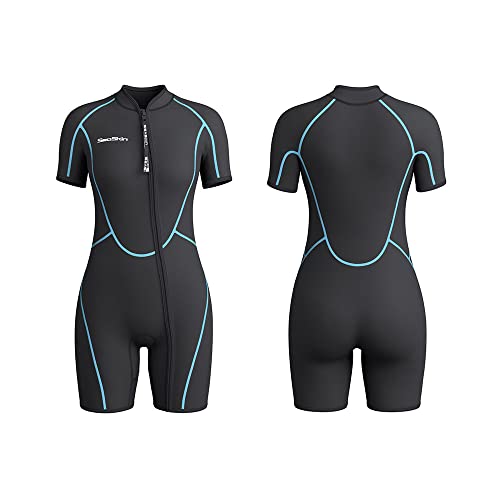
This 3mm full body wetsuit from Seaskin is designed with high-quality neoprene for excellent stretch and insulation. The front zipper allows easy entry and exit, combined with flat-lock stitched seams that enhance durability and comfort. Though labeled as a mens model, it fits women comfortably and retains body heat well in cool spring waters. Its snug fit reduces water flushing, ideal for canoeing, diving, snorkeling, and surfing. Refer to the Seaskin size chart to find your perfect size.
O’Neill Women’s Reactor-2 2mm Back Zip Short Sleeve Wetsuit
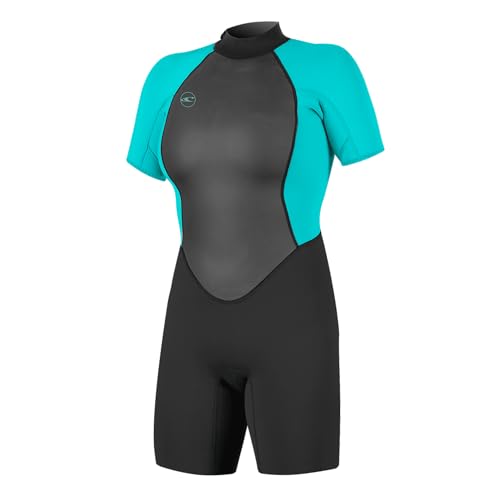
The O’Neill Reactor-2 wetsuit features a back zip system for quick entry and exit and water-resistant closure to keep cold water out. Made with ultra-stretch neoprene, it offers superb flexibility and softness that elevate performance, making it ideal for surfing and paddle sports on mild spring days. The 2mm thickness strikes a good balance between warmth and mobility suitable for warmer spring waters.
MWTA Womens 2mm Neoprene Long Sleeve Shorty Wetsuit

MWTA’s wetsuit offers a lightweight, 2.5mm neoprene design with nylon fabric lining providing softness and stretch. This one-piece wetsuit includes a back zipper with a long leash enabling solo quick dressing. Its long sleeves provide valuable UV protection and guard against sea lice and jellyfish, ideal for spring when water temperatures vary. The snug fit reduces water drag while insulating against chill.
AXESEA Women’s Eco Friendly Thermal Shorty Wetsuit
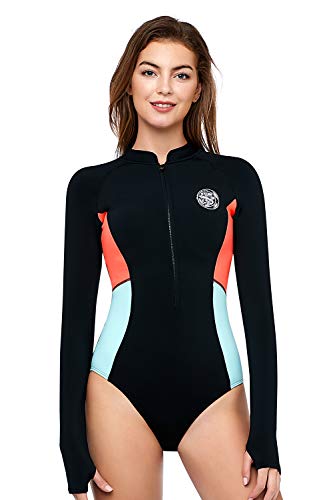
AXESEA’s eco-friendly wetsuit uses Pentashell THERMAL fabric to offer warmth like a thin wetsuit and the flexibility of a rash guard. Entirely free of neoprene and adhesives, its double-layer weaving provides insulation with a mere 1mm thickness, making it lightweight and easy to wear for spring and warmer days. This wetsuit works well alone in mild water or as a base layer in cooler conditions.
AnParc Women’s 3mm Neoprene Long Sleeve Wetsuit
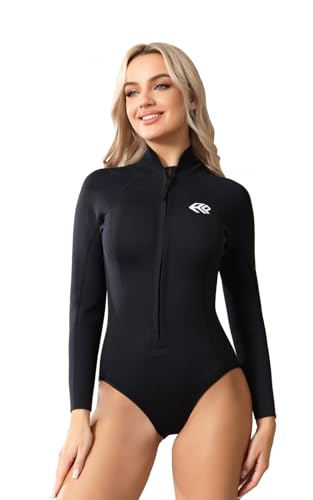
The AnParc wetsuit features a 3mm neoprene composite fabric with enhanced elasticity and warmth retention. This ergonomic wetsuit aligns with the body’s natural shape and includes a front zipper with a protective base for skin comfort. Its design limits water flushing by creating a thin insulating layer, making it suitable for colder spring water or early season diving, snorkeling, and swimming.
Buying Guide for Women’s Spring Wetsuits
Choosing the best spring wetsuit involves considering several factors:
- Neoprene Thickness: Spring wetsuits typically range from 1mm to 3mm. Thinner suits (1-2mm) provide flexibility for warmer waters, while thicker suits (3mm) offer more insulation in chilly conditions.
- Fit and Comfort: The wetsuit should fit snugly to minimize water entry but not restrict movement or breathing. Stretchable neoprene enhances comfort during active water sports.
- Zipper Type and Placement: Back zippers offer easy entry but may let in more water. Front zippers and zip-free designs can improve flexibility and reduce leaks.
- Seam Construction: Seams affect durability and comfort. Flat-lock stitched seams are common in thinner wetsuits allowing flexibility, whereas sealed or taped seams offer better water resistance.
- UV Protection and Coverage: Longer sleeves and full suits protect against UV rays and marine irritants. Consider the environment where you’ll be using the wetsuit most frequently.
- Additional Features: Some suits provide reinforcement for durability, anti-chafe designs, and eco-friendly materials that reduce environmental impact.
Evaluating these aspects based on your spring water activity type and conditions helps ensure an optimal wetsuit purchase suited for warmth, comfort, and performance.