Finding the right shallow water anchor depends on your vessel size, soil type, and where you’ll anchor most often. This guide highlights five top options ideal for beaches, sandbars, and calm to moderately shallow waters. Each pick targets distinct buyers: kayakers and small craft enthusiasts, jet ski and pontoon owners, and those who need quick, tool-free setup. Read on to compare features, ideal uses, and practical considerations to help choose the best anchor for your next shoreline stop.
| Product | Best For | Key Benefit | Limitations |
|---|---|---|---|
| BeneLabel 17″ Sand Bar Anchor | Small boats, kayaks, jet skis | Corrosion-resistant stainless steel with easy screw-in design | Less suited for heavier boats |
| SandShark Supersport 3.0 | Jetski, pontoon, shallow-water lovers | Nylon/aircraft-grade components; collapsible handles | Older nylon cases may wear with heavy use |
| Superstick Shallow Water Anchor Pin 5/8″ x 7′ | Small craft needing a quick pin-style anchor | Stainless steel spike tip for durability | Limited length for deeper sand levels |
| SuperStick 3/4″ x 8′ | Same family buyers with longer reach | Durable stainless spike and simple operation | Higher price for longer model |
| Boat owners seeking low-maintenance, hand-pull operation | No hoses or pumps; easy deployment | Manual operation may be slower than automated options |
BeneLabel 17″ Sand Bar Anchor

Best for light craft and quick beach setups. The BeneLabel 17″ Sand Bar Anchor is crafted from 304 stainless steel for corrosion resistance and impact tolerance. Its compact 17-inch length makes it easy to transport and store, with a weight of about 1.28 lbs. The propeller-inspired tip design enhances grip in sandy bottoms, ideal for beaches, sandbars, and shoreline areas. A removable T-handle allows quick installation—you screw the anchor into sand, then remove the handle. Suitable for kayaks, small boats, and personal watercraft that require a lightweight anchoring solution. Caution: performance depends on sand hardness; very packed or rocky substrates may reduce holding power.
SandShark Supersport 3.0

Best for jet skis, pontoon boats, and beach-ready setups where quick, reliable shallow-water anchoring matters. The Supersport 3.0 combines reinforced nylon and engineering-grade plastics with an aircraft-grade aluminum core. It’s designed to prevent drifting near shorelines, rocks, or other watercraft and includes a padded nylon case for storage. The kit’s adjustable range (29″ to 48″) accommodates various shallow-water scenarios. Choose this for portable, high-visibility anchoring on beaches or sandbars. Limitation: some buyers may prefer metal-to-metal contact anchors for very rocky bottoms, where stronger penetration is needed.
Superstick Shallow Water Anchor Pin 5/8″ x 7′
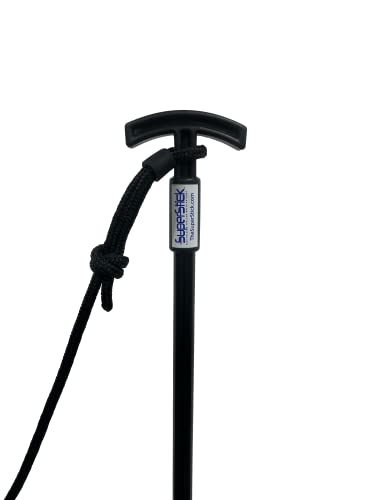
Best for compact setups where a spike-style anchor is preferred. The 5/8″ x 7′ pin uses a stainless steel spike tip to resist wear and splintering, enabling easier anchoring on soft sand. Its straightforward design makes it a good match for smaller boats, kayaks, or Waverunners needing a simple, reliable hold. Caution: shorter length may limit effectiveness in very deep sand or stronger currents; verify suitability for your typical water depth.
SuperStick Shallow Water Anchor Pin 3/4″ x 8′
Best for slightly longer reach while maintaining the same spike-tip durability. The 3/4″ x 8′ pin extends anchoring depth, which helps in mid-sized boats or where sand depth varies along the shoreline. The stainless steel spike tip reduces wear and improves stability in soft soils. Choose this if you need more length without stepping up to heavier, bulkier anchors. Limitation: longer pins may require more storage space and handling effort when transporting.
Lewmar Vector Manual Shallow Water Anchor 8 ft.

Best for boaters seeking low-maintenance, manual deployment. The Vector uses a pull-rope mechanism that minimizes wiring and pumps. It’s designed for straightforward installation and is compatible with various mounts and universal hole patterns, reducing installation hassles. This option favors users who prefer a simple, reliable manual system over electronic anchors. Caution: manual operation may be slower to deploy and retrieve in rough conditions or with larger vessels.
Buying Guide
Key purchase considerations for shallow water anchors include material, length, mounting and installation, ease of use, and compatibility with your boat size and water conditions.
- Material and corrosion resistance: Stainless steel options perform well in saline environments and resist wear on sandy bottoms. Stainless also offers durability for frequent use near beaches and sandbars.
- Anchor length and bottom type: Shorter anchors work well in very shallow water or soft sand, while longer versions reach deeper layers or firmer substrates. Consider the typical sand depth at your usual anchor sites.
- Deployment method: Manual pull-rope, screw-in designs, and quick-release handles each offer different maintenance needs and speeds. Choose based on how often you anchor and how quickly you need to set or retrieve.
- Portability and storage: If you travel with a small boat or kayak, a lighter, compact model with a storage bag is advantageous for space-constrained storage.
- Boat size compatibility: Heavier boats may require stronger anchors with longer reach; smaller craft benefit from lightweight, easy-to-handle options.
Practical comparison questions
- Which anchor is best for a kayak on a sandy beach? A compact stainless steel or nylon-based model with a simple screw-in tip is ideal for portability and easy deployment.
- What should I choose for a pontoon in shallow water? A longer, corrosion-resistant anchor with a stable tip design helps prevent drifting near sandbars and shoreline features.
- Is a manual vector anchor adequate for all conditions? It works well for steady crews and calm waters but may be slower to deploy in rougher conditions or with larger craft.
- Should I prioritize color visibility? Brighter colors aid visibility near busy beaches and sandbars, reducing the risk of tripping or misplacement.
Frequently Asked Questions
- What is a shallow water anchor designed for? It’s built to hold boats in shallow water near beaches, sandbars, or shorelines with minimal drag.
- How do I know the right length for my boat? Consider your typical water depth at anchor sites and the ground composition; longer anchors work better for variable depths.
- Are stainless steel anchors better than aluminum? Stainless steel offers strong corrosion resistance and durability, generally preferred for frequent, rougher usage, though aluminum can be lighter.
- Can I use these anchors on a kayak? Yes, many compact 17″ or 36″ options are designed for kayaks and small watercraft.
- Do I need any special tools to install? Some anchors use screw-in mechanisms or basic pull-rope systems; most require nothing more than basic hand tools for mounting on compatible boats.
- How should I store a shallow water anchor? Store in a dry bag or storage sack, ensuring the tip remains protected to avoid accidental injury or damage.