Choosing a recycled wetsuit yoga mat is an excellent way to combine sustainable living with your fitness routine. These mats are crafted from recycled wetsuit materials or other eco-friendly substances, offering durability, comfort, and non-slip surfaces ideal for yoga practice. Below is a summary table of five top-rated recycled mats designed for yoga enthusiasts seeking quality and environmental consciousness.
| Product | Material | Size & Thickness | Key Features |
|---|---|---|---|
| SUGA Premium 100% Recycled Yoga Mat | 100% Recycled Surfing Wetsuits | 72″ x 25″ x 5mm | Textured, non-slip, made in USA, fully recyclable |
| Satori Concept Cork Yoga Mat | Natural Cork & Rubber | 72″ x 26″ x 4mm | Eco-friendly, sweat-resistant, superior grip, extra-large |
| REP Yoga Mats (Cork & Polyurethane) | Cork/Natural Rubber & Recycled Polyurethane | Varies (Premium options wider & thicker) | Durable, portable, water-resistant, eco-friendly |
| Retrospec Solana Yoga Mat 1″ Thick | Foam Material | 72″ x 24″ x 1″ | Extra thick for joint comfort, non-slip, portable with strap |
| Gaiam Essentials Thick Yoga Mat | High-density NBR Foam | 72″ x 24″ x 10mm | Textured non-slip surface, odor-resistant, cushioned support |
SUGA Premium 100% Recycled Yoga Mat

The SUGA Premium Yoga Mat stands out as a 100% recycled mat made entirely from reused surfing wetsuits, combining eco-consciousness and performance. With dimensions of 72″ x 25″ and a 5mm thickness, it offers a comfortable yet supportive surface for yoga enthusiasts. This mat is produced in the USA, minimizing its carbon footprint, and is part of a closed-loop system that allows full recyclability after use. It features a textured non-slip surface, ideal for hot yoga and sweaty sessions. Its durable material balances grip with cushion, providing both safety and comfort during your poses.
Satori Concept Cork Yoga Mat with Natural Rubber Base
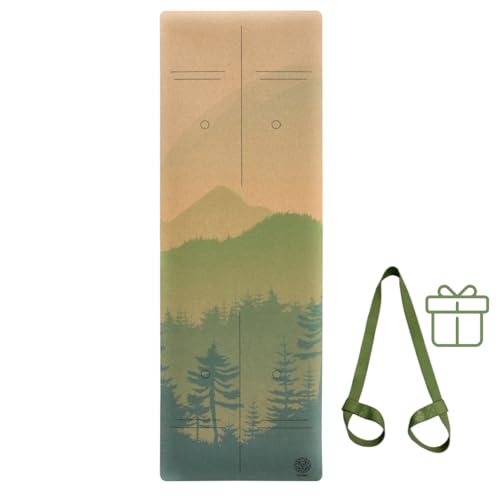
This premium Satori Concept Cork Yoga Mat harnesses natural cork combined with a tree rubber base, crafted entirely from sustainable materials. Measuring 72″ x 26″ x 4mm, it is slightly larger than standard mats, accommodating more space for movement. The cork surface offers a remarkable grip that strengthens with moisture, perfect for vigorous sessions such as hot yoga. It includes a free carrying strap for convenient transport and comes packaged in recyclable materials. Free of synthetic chemicals and odors, it caters well to environmentally mindful yogis who prioritize a clean and natural practice environment.
REP Yoga Mats: Cork & Recycled Polyurethane Options

REP offers versatile eco-friendly yoga mats in two premium options: natural cork with rubber and recyclable polyurethane combined with rubber. These mats provide superior durability, portability, and enhanced cushioning due to their extra thickness and width compared to standard mats. Cork mats are breathable and natural, while polyurethane mats are water-resistant and do not absorb sweat, making them ideal for intense or outdoor practice. Compatible with REP’s carrying strap, these lightweight mats suit practitioners seeking sustainable materials with performance and convenience.
Retrospec Solana Yoga Mat – 1″ Thick Extra Comfort
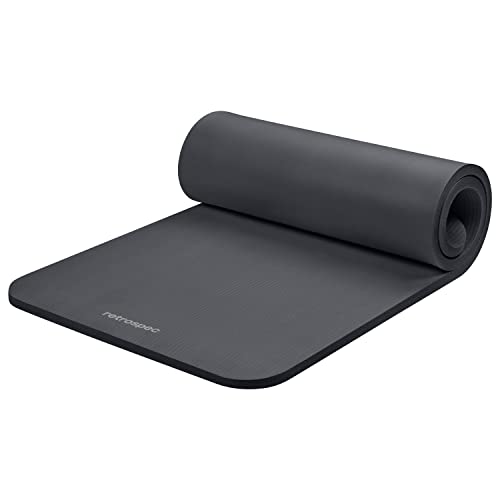
The Retrospec Solana Yoga Mat is a thick 1-inch mat designed to provide maximum comfort and joint support. Although not made from recycled wetsuit material, it offers excellent cushioning for sensitive pressure points while maintaining a non-slip grip. Measuring 72″ x 24″, this mat is well-suited for yoga, Pilates, and floor workouts. The durable material withstands regular use, and the included nylon strap enhances portability. This mat offers a balance of comfort and functionality for practitioners focusing on protection during their routines.
Gaiam Essentials Thick Yoga Mat – Cushioned & Non-Slip

The Gaiam Essentials Thick Yoga Mat features 10mm of high-density NBR foam, providing plush, shock-absorbing support suitable for all types of yoga and fitness. Its textured surface ensures excellent traction, even during sweaty or dynamic poses. Crafted with low-odor, eco-conscious materials, this mat is odor-resistant and easy to clean – requiring just a damp cloth. Its dimensions of 72″ x 24″ offer ample space, making it a reliable choice for those prioritizing cushioned comfort and stable footing in their practice.
Buying Guide: How to Choose the Best Recycled Wetsuit Yoga Mat
When selecting the ideal recycled wetsuit yoga mat, consider the following factors to enhance your workout experience while being environmentally responsible.
Material and Sustainability
Look for mats made from 100% recycled wetsuit material or natural, sustainable materials such as cork or recyclable polyurethane. Verifying whether the product is manufactured with a closed-loop system ensures the mat is recyclable after its lifespan, reducing landfill waste.
Thickness and Cushioning
Yoga mats vary in thickness, typically ranging from 4mm to 10mm or more. Thicker mats provide added joint protection and cushioning, benefiting those with sensitive knees, hips, or needing extra comfort. However, thinner mats may be preferable for better balance and portability.
Grip and Non-Slip Texture
A strong grip is essential for safety, especially in poses requiring balance or during hot yoga sessions. Cork surfaces tend to improve grip as they become moist, while textured rubber or recycled neoprene wetsuit materials also provide reliable traction. Avoid mats that become slippery when wet.
Size and Portability
Standard mats are approximately 68-72 inches long and 24 inches wide, but extra-large mats provide more space for movement. Consider your storage and transportation needs; mats that include carrying straps or are lightweight enhance convenience.
Durability and Maintenance
Durability is crucial for long-term use. Recycled wetsuit material is known for being tough and resilient. Additionally, choose mats that are easy to clean and resistant to odors, which helps maintain hygiene and prolongs the mat’s usability.
Environmental Impact
Buy from brands with transparent manufacturing practices focusing on lower carbon footprints and responsible sourcing. US-made products may contribute to smaller production emissions and support local jobs.