If you haul an outboard-powered boat, a reliable transom saver is essential to protect the motor and the hull during transport. This guide highlights five solid options, clarifying who they’re best for and why. Whether you tow a small 100 HP boat or a larger setup, you’ll find choices designed for trailer use, adjustable lengths, and flexible mounting. The top picks focus on durable construction, adjustable length from 23 to 35 inches or more, and compatibility with common trailer hardware. A quick buyer’s table follows to compare key features at a glance.
| Product | Best For | Adjustability | Mount Type |
|---|---|---|---|
| PUIOCO Adjustable Transom Saver | Moderate-HP outboards, trailer use | 23″–35″ | Roller + Trailer Mounts |
| JY PERFORMANCE Adjustable Transom Saver (Composite Head) | Budget-friendly, aluminum build | 23″–35″ | Roller + Trailer Mounts |
| Attwood Adjustable Transom Saver | Versatile trailers, composite head | 23″–35″ | Roller + Trailer Mounts |
| Sebnux Transom Saver (Composite Head) | Durable, up to 100 HP | Adjustable (unspecified range) | Roller + Trailer Mounts |
| Pextian Boat Transom Saver | All-around protection, sturdy design | 23″–35″ | Roller + Trailer Mounts |
PUIOCO Adjustable Transom Saver

The PUIOCO transom saver offers 5 adjustable points to accommodate engines up to 100 HP, extending from 23 to 35 inches. Built for trailer use, it requires an electric trim/tilt engine to be effective on the road and should be removed before launching. The design includes both roller brackets and trailer mounting options for flexible configurations. Best for boaters who need a sturdy, mid-range solution with multiple mounting choices and clear trailer-use guidelines. Caution: remove before launching to avoid interference during water entry.
JY PERFORMANCE Adjustable Transom Saver (Composite Head)

This model from JY PERFORMANCE features an adjustable 23″–35″ length, supporting engines up to 100 HP. It uses a composite head and aluminum construction to deliver solid strength and durability. It’s best for buyers who want a relatively light yet sturdy option with straightforward installation. Best for moderate trailering needs where weight distribution and protection of the engine are priorities. Limitation: weight handling is capped at 100 HP, so larger outboards should look elsewhere.
Attwood Adjustable Transom Saver (Composite Head)
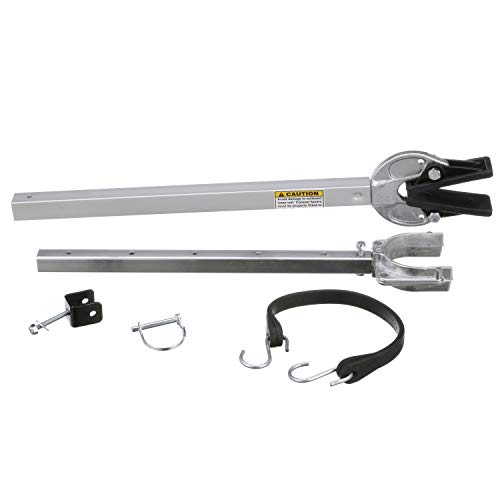
The Attwood SP-400-RB model provides 23 to 35 inches of adjustable length with both roller and trailer mounting options. Its goal is to transfer engine weight to the trailer, reducing bounce and transom fatigue during transport. This choice is ideal for boaters who want dual mounting compatibility and a proven design focused on trailer stability. Caution: ensure proper mounting hardware compatibility with your trailer before use.
Sebnux Transom Saver with Composite Head
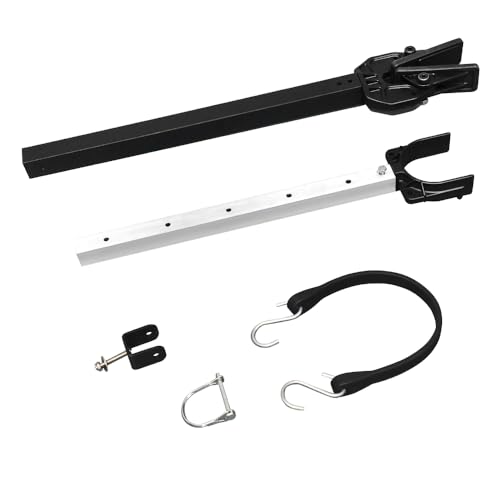
Sebnux emphasizes a premium aluminum frame with a composite head to support outboard weights up to 100 HP. The composite head protects the engine from scratches and offers stable holding during transport. Best for users seeking robust construction with a focus on engine protection. Limitation: data specifies usage for motors 100 HP and under, so higher HP outboards require a higher-capacity alternative.
Mangrove Products TS-Block Transom Saver

The TS-Block is designed for universal fitment with many brands and single ram tilt systems. It uses a high-pressure wedge approach to stabilize the motor during trailering without metal contact that can scratch the skeg. It’s best for boaters who want an easy-to-use wedge-style saver that minimizes abrasion and supports a wide range of outboards. Caution: ensure compatibility with your tilt/trim unit and follow wedge insertion instructions for safe use.
Pextian Boat Transom Saver
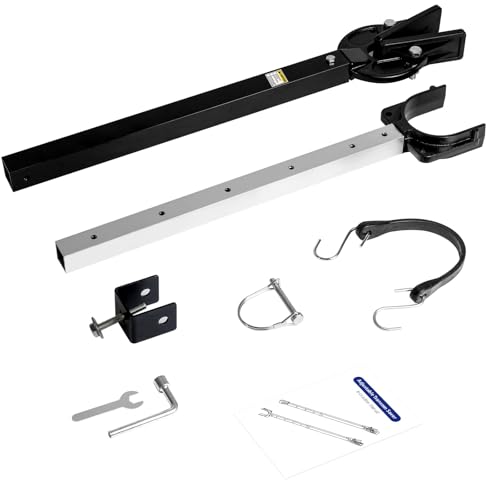
The Pextian transom saver is a fully adjustable model extending from 23 to 35 inches, with a heavy-duty composite head and complete mounting hardware. It includes a telescoping shaft, trailer mount components, and a well-rounded kit designed for motors up to 100 HP. Best for buyers seeking a complete, ready-to-install package with clear, tube-based adjustment and solid construction. Limitation: the kit is designed for motors up to 100 HP; larger engines require bigger options.
Buying Guide
What should you check before buying a transom saver?
- Motor horsepower: Choose a saver that explicitly supports your engine’s HP and weight ratings to avoid overstressing the transom.
- Length adjustment: A 23″–35″ range fits most trailers, but verify your gaps between the engine, transom, and ground to ensure proper stabilization.
- Head material: Composite heads prevent scratches; aluminum and steel offer strength but may require more care in saltwater environments.
- Mounting options: Ensure the product supports roller mounting and trailer brackets compatible with your trailer system.
- Trailer usage: Some models require electric tilt/trim to function properly on the road; confirm your setup and remove the saver before launching.
- Durability and corrosion resistance: Look for rust-resistant coatings or marine-grade materials for longevity in salt or freshwater.
Frequently Asked Questions
- What is the main purpose of a transom saver?
To transfer engine weight to the trailer, reducing transom fatigue and preventing bounce during transport. - Can I use a transom saver for boats with high HP motors?
Only if the saver is rated for that HP and weight. Do not exceed the listed specifications. - Should I remove the saver before launching?
Yes, in most cases, it should be removed as specified by the manufacturer to prevent interference in water. - Are wedge-style savers compatible with all tilt/trim systems?
Compatibility varies; check the fitment guide and ensure proper attachment to avoid damage. - What mounting options should I prefer?
Dual mounting (roller and trailer) provides flexibility for different trailer setups and terrain. - Is aluminum better than composite for a transom saver?
Aluminum offers higher strength, while composite heads provide surface protection for the engine. Choose based on environment and use case.