Answer: For the most stable pedal kayaks, look for models with wide hulls, combination pedal drives, and well-designed rudder or propeller systems that minimize wobble and maximize tracking. This guide highlights five options that emphasize stability, steady handling, and reliable propulsion, making them suitable for anglers, recreational paddlers, and long-duration trips. Best for: fishing-focused paddlers, casual explorers, and those seeking hands-free propulsion with solid tracking. See the quick summary table below for a snapshot of each option.
| Product | Best For | Key Stability Feature |
|---|---|---|
| Danrelax Inflatable Kayak with Pedal System | Anglers and casual paddlers seeking portable stability | Heavy-duty PVC with wide deck and fixed pedal system |
| BKC Brooklyn 12.0 Pro | Long paddles and fishing trips | Wide HDPE hull with propeller drive for steady cruising |
| Pelican Catch 110HDII | Serious anglers and extended sessions | HyDryve II pedal system plus stable hull |
| Pelican Catch Kicker 110 HDII | All-day fishing and tracking in variable waters | HyDryve II with adjustable pedals and rudder |
| DNEPEI Complete Kayak Pedal Drive Kit | Upgrade or convert existing kayaks for stability | All-in-one, heavy-duty pedal drive with under-water clips |
Danrelax Inflatable Kayak with Pedal System

Best for: anglers and casual paddlers who want a portable, stable fishing setup. The Danrelax inflatable kayak uses a heavy-duty PVC shell and a wide 141.73″ deck to provide solid balance on calm or moderately choppy water. The 3mm drop-stitch EVA floor adds comfort and supports a steady pedal action. The included 20mm aluminum pedal system and 2.5mm steel wire contribute to a hands-free propulsion experience, while the rudder helps with precise steering. A potential limitation is that inflation and setup may take time compared with fully rigid kayaks.
- Strong construction: 2600 g/m² PVC with reinforced stitching.
- Stability-focused design: ample deck space supports balance for standing or shifting weight.
- Included features: two swivel rod holders, detachable fin, front bungee cords, and transport handles.
BKC Brooklyn 12.0 Pro Single Pedal Kayak

Best for: long-distance anglers and paddlers who want efficient, pedal-powered propulsion with strong tracking. This kayak features a high-efficiency propeller pedal system, reducing effort and enabling longer trips. The hull is a stable 12-foot design, UV-protected HDPE, providing balance through chop and current while remaining maneuverable. The integrated rudder offers precise steering. Avoid this if you need a traditional paddling mode only, as the pedal system is a core component of its stability and performance.
- Propeller drive: hands-free propulsion designed for longer cruises.
- Stable hull: wide, stable platform for confident paddling and fishing.
- Rudder steering: responsive control for tough conditions.
Pelican Catch Kicker 110HDII

Best for: anglers who value a stable platform with adjustable pedal ergonomics and a reliable rudder. The HyDryve II pedal system enables efficient leg-powered propulsion, and the adjustable seating and pedal configuration help maintain balance in various conditions. The rudder assists with straight tracking. A potential limitation is that the system adds weight and may require a longer setup time than non-pedal models.
- HyDryve II pedal system for efficient pedaling.
- Ergonomic seating with adjustable position.
- Rudder for improved tracking and steering.
DNEPEI Complete Kayak Pedal Drive Kit
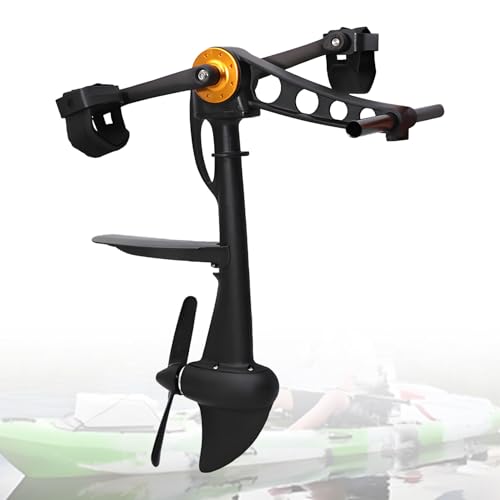
Best for: kayak owners looking to upgrade with a versatile, all-in-one pedal propulsion system. The kit uses anodized aluminum and molded plastic for durability in fresh or saltwater. It is designed for easy installation, allowing quick conversion to pedal propulsion. The main caveat is compatibility with various hull designs; compatibility specifics should be checked before purchase.
- All-in-one pedal propulsion solution.
- Heavy-duty marine-grade construction for longevity.
- Simple installation to reach the water quickly.
Buying Guide: Key Considerations for Stable Pedal Kayaks
What hull design most influences stability?
Wider, flat or shallow V-hulls provide greater initial stability. HDPE hulls with a broad beam typically track better in chop and offer a steadier platform for foot-pedal systems.
How important is a rudder or steering system?
A reliable rudder helps maintain straight-line tracking, especially when pedaling. Consider a system that offers easy reach and responsive control for quick adjustments in windy or current-heavy waters.
What about pedal system compatibility?
Check whether the pedal drive fits your kayak’s hull, weight tolerance, and mounting points. Some kits are designed to be universal, while others are specific to certain models or hulls.
Is portability a factor?
Inflatable kayaks with pedal systems offer portability and quick storage, ideal for travelers or space-limited setups. Rigid kayaks provide stiffness and stability but require more storage space.
What features maximize stability during fishing?
Non-slip decks, ample deck space, and secure gear mounts help maintain balance. Swivel rod holders and bungee systems keep equipment stable while you pedal and maneuver.
Durability and environment considerations
Look for heavy-duty materials and corrosion-resistant components for saltwater use. The quality of fittings, fins, and pedals affects long-term stability and performance in varying water conditions.
FAQ
- What makes a pedal kayak more stable than a regular paddle kayak? Pedal kayaks use a fixed propulsion system that helps maintain balance, while the pedal mechanism distributes effort more evenly and often includes a rudder for steady tracking, which reduces drift and wobble.
- Can I convert any kayak to pedal propulsion? Some kits are universal, but compatibility varies. Check mounting points, hull material, and weight limits before purchase.
- Are inflatable pedal kayaks as stable as rigid ones? Inflatable models can be very stable due to wide decks and low center of gravity, but rigid hulls often offer greater stiffness and tracking in chop.
- Is pedal propulsion better for fishing? Yes, it enables hands-free operation, leaving both hands for handling rods, nets, and gear, which can improve steadiness and endurance during long sessions.
- Do pedal kayaks require more maintenance? Pedal systems add moving parts; routine checks for wear, lubrication of joints, and cleaning after use in saltwater help maintain stability and performance.
- What should I consider when choosing for stability? Prioritize hull width, ballast distribution, pedal-drive compatibility, and the presence of a dependable rudder for reliable tracking.