Looking for a lightweight toddler life jacket that balances buoyancy with comfort? This guide highlights five top picks ideal for small swimmers, from infants to older toddlers. Each option targets different needs—whether prioritizing safety features, adjustable fits, or materials that are gentle on sensitive skin. Below, you’ll find concise comparisons, ideal user profiles, and a practical buying guide to help you choose the right vest for your little one.
| Product | Best For | Key Benefit |
|---|---|---|
| Speedo Unisex-Child Swim Flotation Classic Life Vest Begin to Swim UPF 50 | Active toddlers who need UPF protection | Durable material with safety leg strap for snug fit |
| Dark Lightning Coast Guard Approved Baby/Infant Life Vest | Infants and young toddlers | USCG approved with headrest and grab handle |
| Zeraty Toddler Swim Vest Neoprene | Confidence-building learners | Neoprene, adjustable safety strap |
| REALIKE Kids Swim Vest Toddler Floaties | Comfort-focused fit for active play | Three buckles and bottom strap |
| Oceans7 US Coast Guard-Approved Kids Life Jacket | Open-water or busy shoreline days | USCG-approved with open-side design |
Speedo Unisex-Child Swim Flotation Classic Life Vest

This lightweight vest is designed for beginners who need steady buoyancy without restricting movement. It features UV50+ protection and durable material for everyday pool and beach use. A safety leg strap helps ensure a snug, secure fit, which is useful for active toddlers who might wriggle in the water.
Best for: Active toddlers who require sun protection and a secure fit during play near water. The leg strap can aid parents with wiggly swimmers, while UPF protection adds sun safety for long days outside. Limitations: leg straps may need frequent adjustment as your child grows.
Dark Lightning Coast Guard Approved Baby/Infant Life Vest

This vest is a true option for infants and toddlers under 30 pounds, with a Coast Guard approval that adds a layer of safety for boating, pool, and beach activities. It includes a headrest, adjustable leg strap, and a top grab handle to help parents control their child more easily around water.
Best for: Families seeking formal safety certification and added handling features for tiny swimmers. Choose this if you want a vest that facilitates quick adjustments and provides a stable headrest. Limitation: weight range is best for smaller toddlers; larger 30+ pounds may require a different size.
Zeraty Toddler Swim Vest Neoprene

Crafted from neoprene and other soft materials, this vest emphasizes comfort and skin-friendliness for sensitive little swimmers. It features three safety buckles and adjustable straps for a secure fit, reducing ride-up during splashing and practicing kicks.
Best for: Parents prioritizing comfort with a snug, adjustable fit for confidence-building in the water. Important note: neoprene can be warmer in direct sun; ensure hydration and shade on hot days.
REALIKE Kids Swim Vest Toddler Floaties

This vest uses high-quality neoprene fabrics that are skin-friendly and durable. With three safety buckles and an adjustable bottom strap, it stays securely in place as kids move through water. The sleeveless design helps arms stay free for swimming motions and kicking.
Best for: Families seeking a balance of comfort and security with more mobility. Caution: ensure proper sizing to prevent flotation from riding up during vigorous activity.
Oceans7 US Coast Guard-Approved Kids Life Jacket
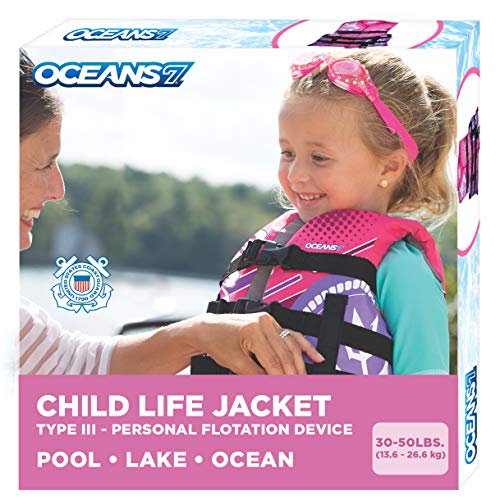
Designed for children within the 33-55 pound range, this Coast Guard-approved vest emphasizes a secure fit with an open-sided design and extended chest straps for maximum adjustability. The device is suitable for days at the pool, lake, or open water where freedom of arm movement is beneficial.
Best for: Kids who spend time near open water or need a flexible fit that accommodates growth. Limitation: actual comfort and fit can vary by child, so precise sizing matters for safety.
Buying Guide: Key Considerations For Choosing A Lightweight Toddler Life Jacket
- Safety certification: Look for USCG or equivalent approval when choosing a vest for infants and toddlers.
- Weight and size range: Match the vest to your child’s current weight and anticipate growth to minimize frequent replacements.
- Fit and adjustment: Prioritize models with multiple adjustment points (leg straps, chest straps, and side buckles) to prevent ride-up and maintain buoyancy.
- Material and comfort: Neoprene is common for comfort but may retain heat; consider cooling fabrics or sleeveless designs for hot days.
- Sun protection: UPF 50+ fabrics provide sun protection during long days outdoors. Consider UV protection in the fabric for added safety.
- Open-side vs closed designs: Open-sided vests offer greater arm mobility, while closed designs can improve overall flotation for beginners.
- Intended use: Decide whether you need a vest for pool practice, family boating, or beach play, as this impacts required buoyancy and fit.
- Maintenance: Check cleaning instructions, as some materials hold up better to chlorine and saltwater exposure than others.
Frequently Asked Questions
- What age is best for a life vest? A vest is typically appropriate for toddlers who are learning to swim or require extra buoyancy, often from infancy through early childhood depending on weight and ability.
- Is a leg strap necessary? Leg straps help prevent the vest from riding up and keep flotation in the correct position, especially for very active swimmers.
- Should I choose neoprene or nylon vests? Neoprene offers comfort and warmth, while nylon options are lighter and often cooler. Choose based on climate, activity level, and skin sensitivity.
- How do I know if the vest fits properly? The vest should be snug but not restricting breathing or arm movement. There should be minimal upward ride when the child moves.
- Can I use a vest for both pool and sea use? Yes, but ensure the vest is USCG-approved or rated for the intended environment and weight range to ensure adequate flotation and safety.
- How often should I replace a vest? Replace when growth renders the vest unable to provide proper buoyancy or when straps and seams show wear or damage.