Answering the top buyer question: which life jacket is best for a 5-year-old? The best options combine USCG safety approval, age-appropriate weight ranges (typically 30–55 lbs), open-sided designs for freedom of movement, and comfortable materials. Below are five carefully selected kids’ life jackets that balance safety, fit, and ease of use. Each is best for different kinds of play, from pool days to supervised swimming lessons. A quick summary table is included to compare core details at a glance.
| Product | Weight Range | Best For |
|---|---|---|
| SwimWays Marvel Swim Trainer Life Jacket | 33–55 lbs | Pool days with a favorite superhero and built-in arm floaties |
| Oceans7 USCG-Approved Pink Life Jacket | 33–55 lbs | Open-water-friendly open-side design and flexible fit |
| Gogokids Toddler Swim Vest | 22–60 lbs | Early swimmers needing strong security and quick wear |
| Limmys Swim Vest | Typically up to 50–60+ lbs (varies by model) | Progressive buoyancy with adjustable panels for skill growth |
| Stearns Kids Life Vest | 30–50 lbs | Classic, durable PFD for boating and pool use |
The following sections highlight five suitable options, with details to help you choose the right one for your child’s needs, safety, and activities.
SwimWays Marvel Swim Trainer Life Jacket

Best for: Young fans of Marvel with a desire to “dress up” while learning water safety. This 2-in-1 design combines a life vest with arm floats, offering buoyancy and mobility for children weighing 33–55 lbs. The Spider-Man theme adds familiarity during swim lessons or pool play. Selection rationale: the integrated float components can help kids gain confidence in the water while maintaining a familiar character appeal. Caution: the open chest area should be properly fastened; ensure the vest fits snugly to prevent riding up.
Oceans7 USCG-Approved Pink Life Jacket
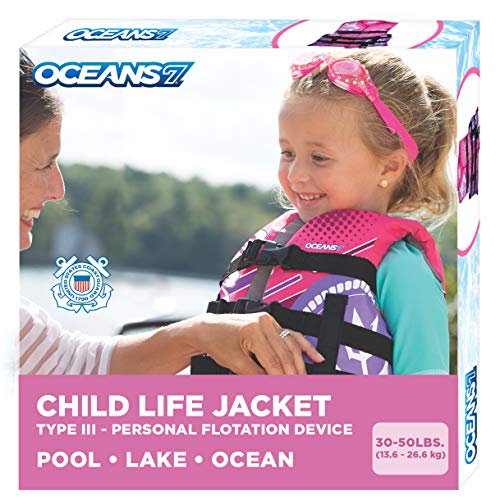
Best for: Parents seeking a flexible, open-sided PFD with USCG approval and a comfortable fit for 33–55 lbs. Why chosen: it emphasizes safety with standards-compliant sizing and an open-sided design that accommodates movement. Limitation: comfort can vary with torso size, so a proper try-on is essential to ensure the jacket does not ride up.
Gogokids Toddler Swim Vest
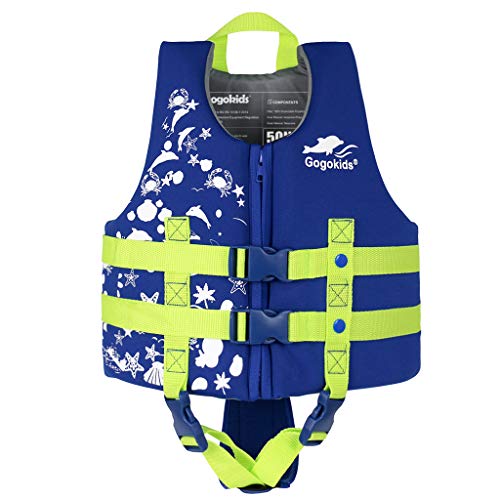
Best for: Toddlers progressing to independent swimming with enhanced security. This vest supports weights 22–60 lbs, features a zip closure, quick-release buckles, and an adjustable crotch strap for secure wear. Selection rationale: dual security features reduce the chance of slipping out, and OEKO-TEX materials offer a chemical-free option. Caution: heavier kids may need a larger size if they exceed the suggested weight range.
Limmys Swim Vest for Toddlers & Kids

Best for: Parents seeking adjustable buoyancy with a clear skill progression. Limmys offers CE certification and a removable 8-panel buoyancy system to adapt as swimming skills improve. Selection rationale: soft neoprene and a secure fit reduce rubbing and increase comfort during longer sessions. Caution: ensure the removable panels are used correctly to maintain balanced buoyancy as your child grows.
Stearns Kids Life Vest

Best for: Families needing a durable, straightforward PFD for boating and pool use. This USCG-approved vest fits children 30–50 lbs with a sturdy nylon shell and PE flotation foam. Selection rationale: reliable construction and proven safety certification make it a staple for regular water activities. Caution: sizing may vary; verify fit for chest and torso length to prevent the vest from riding up.
Buying Guide: Key Purchase Considerations
- Safety certifications: Look for US Coast Guard approval (Type III PFD) for reliable buoyancy and compliance with safety standards.
- Weight range and fit: Ensure the child’s weight falls within the manufacturer’s listed range, and check chest and torso measurements for a snug fit that won’t ride up.
- Open-sided vs closed-side design: Open-sided PFDs typically allow more arm movement, which is important for young swimmers learning to swim.
- Buoyancy and panels: Adjustable or removable buoyancy panels help tailor support as skills progress. Soft neoprene is preferred for comfort.
- Materials and comfort: Look for UV protection, breathable fabrics, and non-irritating seams to encourage longer wear during practice.
- Activity type: Choose a vest suited for the primary activity—pool swimming, beach days, or boating—since use-case influences design priorities.
Frequently Asked Questions
- What does USCG-approved Type III mean for a child’s life vest? It indicates the vest provides flotation assistance and is designed for use where there is adult supervision, with a focus on safety and standardization for youth wearers.
- Is an open-sided life vest better for beginners? Generally yes, because it allows more freedom of movement in the arms and shoulders, which supports learning to swim.
- How should I measure my child for a life vest? Use the child’s weight as the primary guide, then measure chest circumference. Ensure the vest sits snugly and does not rise over the chin or ears when lifted by the shoulders.
- Can a life vest replace a life jacket for a child in a pool? A life vest designed for children should be used under supervision and in appropriate water depths. It is not a substitute for adult supervision or water safety training.
- What should I do if the vest rides up? Re-check the size, adjust chest straps, verify the crotch strap (if present), and consider a different model with a better torso fit for your child.
- Are there any age limitations besides weight? Some vests are specifically labeled for weight ranges rather than ages; always prioritize weight and torso fit over age alone.