Finding the right kayak loader for your roof rack can prevent back strain and protect both your kayak and vehicle. This guide highlights five practical options that fit a range of roof racks and loading preferences. Each product targets a specific loading scenario, from heavy-duty lift assists to simple suction-based rollers. Ideal buyers include DIY car owners, frequent boaters, and travelers who want faster, safer loading without extra help.
| Product | Best For | Key Benefit |
|---|---|---|
| TOOENJOY Heavy-Duty Lift Assist | All-around loader with high capacity | Smart-Lift mechanism reduces lifting effort up to 100 lbs |
| Codinter Kayak Roller | Budget-friendly suction-mounted loading | Strong suction cups fit many sedans/SUVs |
| Apaspoil Kayak Roller | High weight capacity with quick install | Triangular frame for rigidity; safety suction indicator |
| Malone SeaWing/Stinger | Classic saddle design with load assist | Self-aligning Stinger with easy loading |
| Yakima SweetRoll | Versatile, bar-type compatibility | rollers and adaptive base for varied bars |
TOOENJOY Heavy-Duty Lift Assist Roof Rack
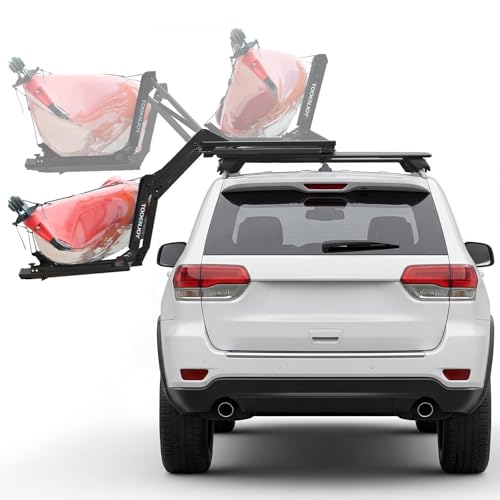
Best for heavy or multiple watercraft loading when you regularly lift kayaks, canoes, or other gear onto one or two crossbars. This model uses a Smart-Lift Mechanism, powered by a Lift Operating System, to raise and lower loads with less physical strain. Its 100 lbs maximum load capacity supports most recreational kayaks and canoes. Notable caution: crossbar compatibility is essential; an extended or adjustable crossbar distance of about 29.76 inches is required, and fixed crossbars may necessitate an accessory adapter.
Codinter Kayak Roller

Best for budget-conscious buyers who still want a reliable loading aid. This roller uses heavy-duty C-type aluminum bars with two strong suction cups to mount on rear windows, accommodating up to 220 lbs. It’s designed to work on most sedans and SUVs with angled rear windows. Caution: not compatible with vehicles that have near-vertical rear windows or certain window angles; verify glass angle and suction fit before purchase.
Apaspoil Kayak Roller

Best for users seeking strong build and quick, tool-free setup. The triangular structure enhances stability, with a maximum load rating stated at 280 lbs. A safety suction indicator keeps you informed about vacuum status, and a snap-in design allows installation in about 10 seconds. Limitation: suction performance can vary with window curvature and vehicle type; ensure the red indicator is not visible before loading.
Malone SeaWing/Stinger Combo
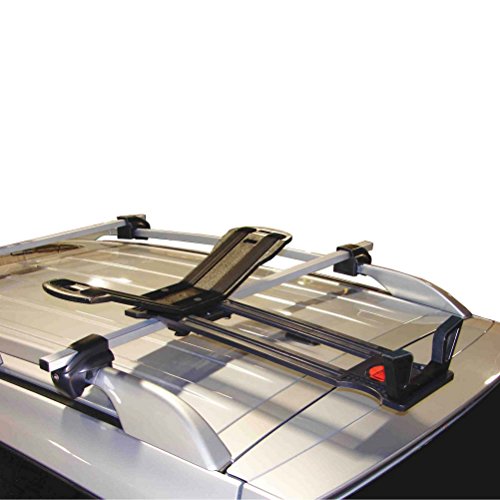
Best for single-kayak loading with a traditional saddle system. The Sea Wing saddles provide corrosion-resistant support, while the Stinger self-aligning V-Block helps position the kayak consistently. This setup is ideal for light to medium-weight kayaks (up to about 75 lbs and 32″ wide). Choose this if you prefer a familiar Malone saddle design and straightforward installation. Limitation: weight and width limits may exclude larger touring kayaks; verify your boat dimensions against the product spec.
Yakima SweetRoll Rooftop Loader

Best for versatile bar-type roofs and streamlined loading. Yakima SweetRoll uses front and rear saddles with integrated rollers for easier handling, plus an adaptive base that adjusts to various bar types, including round, square, factory, or aerodynamic bars. It’s a solid choice for frequent boaters who value a flexible, tool-free fit. Limitation: might require occasional bar-specific adapters for certain setups; confirm compatibility with your rack style before buying.
Buying Guide: Key Purchase Considerations
- Crossbar compatibility: Some loaders require adjustable or extended crossbars; check your current rack distance and options for adapters.
- Weight capacity: Match the loader’s max load to your kayak’s weight and any additional gear you may carry.
- Mounting method: Suction-based units are quick to install but may depend on window angle and surface cleanliness; ladder-style saddles require crossbars but offer stable long-term use.
- One- or two-person loading: Side loaders and self-loading systems simplify handling for solo users; consider whether you need assisted loading on both sides.
- Vehicle type compatibility: Some models are best suited for sedans or SUVs with angled rear windows; ensure the product supports your vehicle profile.
FAQ
- Which kayak loader is easiest for a solo user?
Side loaders and lift-assisted systems, like the TOOENJOY lift assist or Rhino-Rack Side Loader, are designed for one-person operation and minimal lifting.
- Can I use any loader on any roof rack?
No. Compatibility depends on crossbar type, spacing, vehicle window geometry, and the loader’s mounting method. Always verify with the product’s compatibility notes.
- What is the typical weight capacity I should look for?
Choose a loader that comfortably exceeds your kayak weight plus any extra gear. Common ranges are 100–280 lbs depending on model.
- Are suction-based rollers reliable for all vehicles?
Suction reliability depends on window angle, surface cleanliness, and proper sealing. Some vehicles may require adapters or alternative mounting methods.
- Do these loaders damage the kayak hull?
Most loaders use protective pads or soft contact surfaces to minimize hull damage. Always inspect padding and secure loadings before road use.