Finding the right cable boot for a boat means prioritizing marine-grade durability, reliable waterproofing, and easy installation. This guide highlights top choices that protect steering cables, fuel lines, and electrical wiring. Best for new installations, DIY upgrades, or professional refits, these picks balance protection with practical use in harsh marine environments.
Selected products offer robust UV resistance, oil and gasoline tolerance, and secure seals to prevent moisture intrusion. The following table summarizes key basics to help compare at a glance: Target use, inner/outer diameter, installation approach, and standout benefit.
| Product | Best For | Size (ID/OD) | ||
|---|---|---|---|---|
| T-H Marine Easy Install Cable Boot — 3″ | Small-diameter wiring and simple setups | 3.0″ ID | Easy pass-through, no cutting | Quick install with included cable tie |
| T-H Marine Marine Cable Boot — 4.5″ | Medium wiring runs, longer protection | 4.5″ ID | No-cut installation | Reinforcing ring for durable seal |
| Seachoice Motorwell Boot | Engine cables and fuel lines | Up to 4″ hole | Manual fitment through hole | Solid PVC design, rust-free |
| Bonbo Boat Transom Steering Boot | Transom steering and fuel lines | 3.2″ ID | Four mounting holes | Wide applicability and moisture seal |
Note: All products listed are marine-grade cable boots designed to protect wiring and hoses from water, UV exposure, and fuel exposure, while simplifying routing through your boat’s exterior or engine area.
T-H Marine Easy Install Cable Boot — 3″

The T-H Marine Easy Install Cable Boot uses marine-grade vinyl designed to resist UV rays and oil exposure. It provides waterproof protection that helps prevent water intrusion into electrical systems. Best for small-diameter wiring projects and quick upgrades, it installs without cutting—just pass the cables through and secure with the included cable tie. This makes it ideal for DIY boaters or professional setups needing a straightforward, reliable seal. A potential limitation is its size; it suits smaller runs rather than long cable arrays.
- Best for: Simple, fast installations with minimal modification
- Why selected: Lightweight, marine-grade resilience in a compact form
- Caution: Not ideal for large-diameter cable bundles
T-H Marine Marine Cable Boot — 4.5″
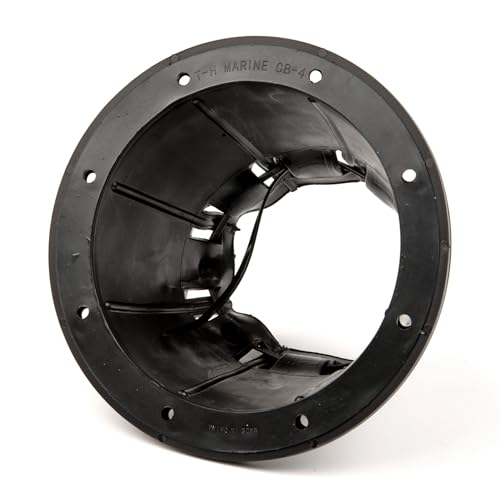
This 4.5-inch boot features a reinforcing ring and heavy-duty black marine-grade vinyl, delivering long-lasting protection against UV, gasoline, and oil exposure. The boot’s design emphasizes easy installation by avoiding cuts, supporting clean cable routing for motor wells and electrical runs. Best for bigger wiring paths and boats that require robust, repeatable protection. A limitation is its slightly bulkier profile, which may not fit very tight spaces.
- Best for: Medium-to-large wiring runs that require a durable seal
- Why selected: Reinforcing ring adds extra durability for harsh environments
- Caution: May be less suitable for constrained spaces
Seachoice Motorwell Boot

The Seachoice Motorwell Boot is designed to organize and protect engine control cables, wires, and fuel lines. Its black PVC construction resists rust, and the boot seals water intake to maintain cable integrity. Best for engine compartments or transom areas where a reliable, affordable protective boot is needed. A caution is that PVC-based components may be less flexible in extreme cold, potentially challenging installation in frozen environments.
- Best for: Engine control and fuel line protection with rust-free construction
- Why selected: Simple, practical solution for boating interiors
- Caution: May be stiffer in very cold conditions
Bonbo Marine Cable Boot — 3.2″ ID

The Bonbo transom steering boot offers a wide application range, with an inner diameter of 3.2 inches and four mounting holes for secure fixation. Made from rugged black vinyl, it withstands gasoline and oil and provides moisture sealing to protect cable ends. Best for transom steering wires and fuel lines where a stable, adaptable boot is needed. A potential limitation is that the size may not accommodate very large cable bundles.
- Best for: Transom steering wires and fuel line protection
- Why selected: Four mounting holes support stable installation
- Caution: Check approximate cable bundle size before choosing
JUQAFY Marine Cable Boot — 4.7″ Od, 3.2″ ID

The JUQAFY boot features a 4.7-inch outer diameter with a 3.2-inch inner diameter, designed to protect steering cables and fuel lines around the transom. Its waterproof and sealed design helps prevent corrosion and moisture-related damage. Best for versatile boat types that require a larger entry boot while maintaining a tight seal. One limitation is that the larger OD may require more mounting space on older vessels.
- Best for: Versatile, larger-entry protection on transom areas
- Why selected: Waterproof seal safeguards critical lines from moisture
- Caution: Ensure mounting space accommodates the larger footprint
CNRAQR Marine Cable Boot Transom — 4 2/5″ OD

The CNRAQR boot emphasizes easy installation with cable ties for quick securing. It offers effective protection against water intrusion and corrosion, aiding the longevity of marine cables and fuel lines. Best for boaters who want a straightforward, secure fit with simple adjustments. A limitation is that it concentrates on moisture sealing rather than advanced reinforcing features.
- Best for: Quick, tool-free installations
- Why selected: Simple to tighten and secure with included ties
- Caution: May lack additional reinforcement for extreme vibration
Buying Guide: How To Choose A Boat Cable Boot
What size do I need?
Measure the inner diameter (ID) of the cables or hoses you plan to protect. Choose a boot with an ID that provides a snug fit but still allows easy passage. Consider outer diameter (OD) if you’re mounting through a fixed hole or panel with limited space.
What materials matter?
Look for marine-grade vinyl or PVC that resists UV exposure, gasoline, and oil. These materials maintain flexibility in varying temperatures and resist cracking over time. Reinforcing rings or thicker walls add durability in high-vibration areas.
Is installation easy?
Many boats benefit from “no-cut” or easy-passage designs. If you’re retrofitting, prioritize boots that require minimal modifications. If you must cut, ensure you have proper tools and sealing methods to preserve waterproofing.
Where will it be used?
Transom areas, motor wells, and engine compartments demand strong moisture seals and corrosion resistance. Consider weather exposure and potential splash zones to pick a boot with robust seals and weatherproof construction.
Should you consider mounting options?
Boots with mounting holes or integrated clamps offer stable fixation. If mounting space is tight, select a model with a simple clip-in or pass-through design that minimizes bulk while maintaining a secure seal.
Maintenance and lifespan
Regular inspection for cracking, seal integrity, and UV degradation helps maximize lifespan. Replace a boot promptly if you notice moisture intrusion, cracks, or compromised cable protection.
Frequently Asked Questions
- What is a boat cable boot used for?
- Can I install a cable boot without cutting?
- Which size is best for steering cables?
- Are all materials UV resistant?
- How often should cable boots be inspected?
- Is a reinforcing ring important?
A boat cable boot protects wiring, fuel lines, and control cables from moisture, salt, and debris. It helps maintain electrical integrity and reduces corrosion risk in marine environments.
Many models are designed for easy installation without cutting. Look for boots marketed as “easy install” or “no-cut” to simplify retrofits.
Steering cables typically require larger ID boots. Check your specific cable diameter and select a boot with an ID that fits snugly around the cables while allowing movement.
Most marine-grade boots advertise UV resistance. Confirm the material specification to ensure compatibility with sun exposure on open decks or topside areas.
Inspect during seasonal maintenance or after heavy use. Look for cracks, stiffness, or moisture ingress, and replace as needed to maintain protection.
Yes, reinforcing rings add structural stability, especially in high-vibration zones or where cables pass through uneven surfaces.